.png)
Role of Coaching in UFC Fighter's Success
Introduction: The path to success in the Ultimate Fighting Championship (UFC) extends beyond mere physical prowess or mastery of martial arts techniques. A critical, yet sometimes underappreciated, element in this equation is the impact of effective coaching. Coaches play a fundamental role in transforming fighters into well-rounded competitors ready to face the rigors of the octagon. This article delves into how coaching influences the development and success of UFC fighters.
Overview of Main Approaches:
- Technical Training:
- Psychological Coaching:
- Strategy Development:
- Technical Training:
- Psychological Coaching:
- Strategy Development:
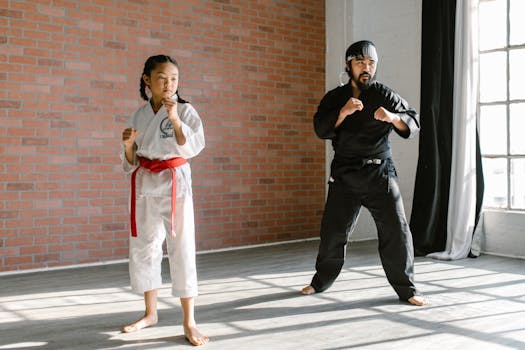
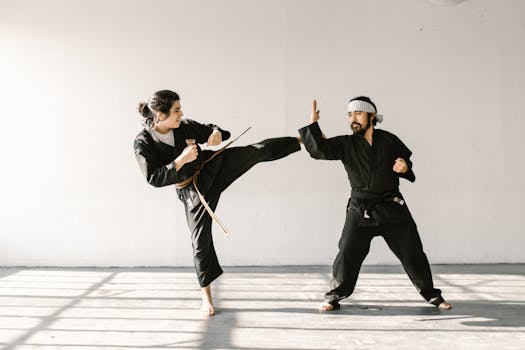
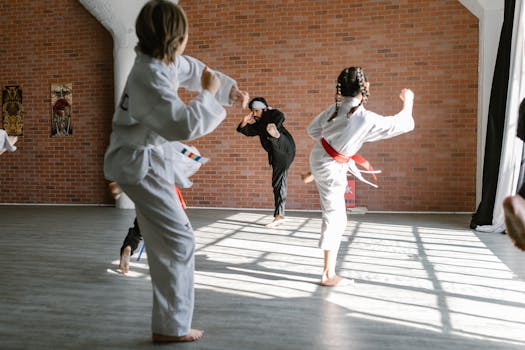
Coaches are instrumental in refining a fighter's technical abilities in various combat disciplines such as striking, grappling, and ground fighting. This form of training is vital for ensuring fighters are well-prepared for the diverse tactical challenges they will encounter.
Mental fortitude rivals physical strength in importance in the UFC. Coaches focus on enhancing fighters' mental resilience and concentration, which are essential for triumphing in high-pressure situations.
Strategic planning is another crucial facet of coaching. Coaches need to meticulously analyze opponents and craft strategies that play to a fighter’s strengths while exploiting the opponent's vulnerabilities. This approach is critical for securing a competitive advantage.
Comparison of Advantages and Disadvantages:
While it's crucial for mastering fundamental and advanced combat techniques, an excessive focus on technical training can sometimes lead to neglecting other critical aspects like mental strength and strategic flexibility.
This coaching aspect boosts a fighter's confidence and their ability to manage stress effectively. However, an overreliance on psychological coaching might result in performance issues if a fighter becomes too dependent on their coach for emotional and mental support.
Tailoring strategies to specific opponents can lead to significant advantages; however, overdependence on rigid strategies can backfire if the opponent displays unexpected tactics or adapts more quickly than anticipated.
Practical Examples: The efficacy of comprehensive coaching is underscored by the achievements of numerous top-tier UFC fighters. Georges St-Pierre, a renowned UFC champion, frequently credited his coaching team for providing invaluable strategic insights that guided many of his career victories.
Conclusion: The significance of coaching in the UFC is profound, encompassing the enhancement of technical skills, fortification of mental toughness, and the provision of strategic guidance. Prospective fighters should prioritize finding seasoned coaches who offer a balanced training regimen. For fans and practitioners alike, appreciating the complex role of coaching can deepen understanding of what it takes to succeed in the highly competitive arena of UFC.
For further exploration and deeper understanding, those interested can look into official UFC resources, fighter interviews, and coaching analyses, which provide richer details and broader perspectives on the art and science of coaching in elite mixed martial arts.