.png)
Discipline in UFC: A Crucial Component for Winning
In the high-stakes world of the Ultimate Fighting Championship (UFC), discipline emerges as a fundamental element that separates the good fighters from the truly great ones. This article explores how discipline in UFC is not merely about physical condition but also encompasses mental fortitude, strategic planning, and lifestyle management. Each aspect plays a vital role in shaping a fighter's career and their chance at securing victory inside the octagon.
Understanding Discipline in the Context of UFC
Discipline in UFC translates to a multifaceted approach where fighters must integrate rigorous training, strict dietary regulations, mental conditioning, and strategic fight planning. The nature of mixed martial arts (MMA) demands a high level of versatility, making discipline a non-negotiable component in a fighter's regimen.
Physical Training and Conditioning
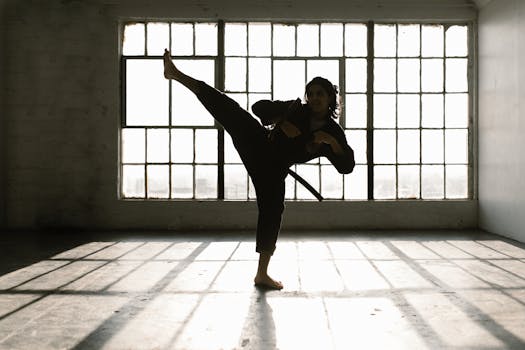
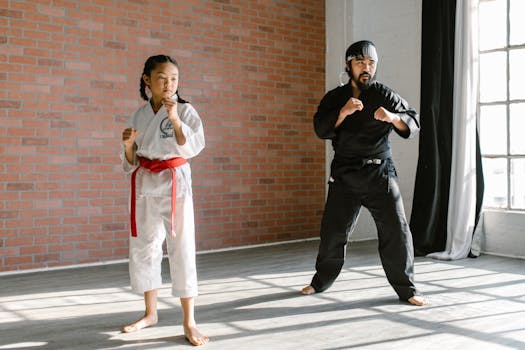
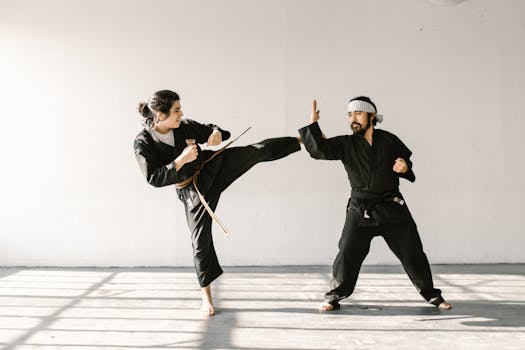
Physical discipline involves adhering to a consistent and progressive training schedule. Fighters engage in various forms of training, including strength and conditioning, cardio exercises, and skill-specific drills for techniques such as grappling or striking.
Advantages:
- Enhanced physical fitness and fight readiness
- Reduced risk of injuries during fights
- Overtraining can lead to exhaustion and injuries
- Balancing various forms of training can be challenging
- Optimal performance during training and fights
- Faster recovery times
- Strict dietary restrictions can be difficult to maintain
- Risk of nutritional deficiencies if not properly managed
- Improved focus and concentration during fights
- Better handling of pressure and adversity
- Mental training can be overlooked in favor of physical aspects
- Requires consistent practice and professional guidance
- Tailored approach increases chances of victory
- Enables fighters to exploit opponents' weaknesses
- Requires extensive time and resources
- Dependence on the ability to adapt quickly during fights
Disadvantages:
Example: Conor McGregor, one of UFC's most prominent figures, exemplifies rigorous physical training, which is evident in his excellent conditioning during fights. His training routine includes a mix of cardiovascular workouts, movement drills, and sparring sessions that help him maintain peak physical condition.
Nutritional Discipline
Proper nutrition is paramount in UFC. Fighters must follow a strict diet to maintain their weight class while ensuring they have the energy and endurance needed for both training and fighting.
Advantages:
Disadvantages:
Example: Georges St-Pierre, renowned for his disciplined approach to nutrition, focuses on a balanced diet rich in proteins, vegetables, and complex carbohydrates, which supports his intense training regimen and weight management.
Mental Conditioning
Mental discipline involves psychological preparation, including stress management, focus, and visualization techniques. The mental aspect is as crucial as the physical, particularly in a high-pressure environment like the UFC.
Advantages:
Disadvantages:
Example: Amanda Nunes, a champion in her class, uses sports psychologists and mindfulness practices to enhance her mental resilience. This psychological training helps her manage fight-day anxiety and maintain focus under pressure.
Strategic Fight Planning
Strategic discipline refers to the careful planning and adaptation of fighting strategies based on opponents' strengths and weaknesses. This involves watching fight tapes, working on specific combat techniques, and planning fight strategies with coaches.
Advantages:
Disadvantages:
Example: Khabib Nurmagomedov’s strategy of ground control and superior wrestling tactics are often pre-planned and practiced meticulously with his team, reflecting his disciplined approach to fight strategy.
Conclusion: The Role of Discipline in Securing UFC Victories
Discipline in UFC is an essential ingredient for any fighter aspiring to win and maintain success in the octagon. It demands a holistic approach, integrating physical training, nutritional adherence, mental conditioning, and strategic planning. Each component comes with its advantages and challenges, but the synergy between them is what ultimately leads to victory.
For fighters and coaches alike, emphasizing discipline in all aspects of preparation is not just beneficial; it's necessary for achieving and sustaining peak performance levels. Aspiring fighters should consider these disciplines as critical areas of focus in their training regimens, and fans should appreciate the rigorous discipline that goes into each fight. Whether you are a fighter or a fan, understanding and respecting the role of discipline in UFC can provide deeper insights into what it takes to succeed in such a competitive sport.